The Long Game. Why It's Worth Playing. | Pillar 4 of The Wild Shift
Pillar 4 of The Wild Shift.
The Long Game. And Why It's Worth Playing.
There's a question I hear from almost every parent I speak to,
"How will I know if it's working?"
It's a fair question and it deserves an honest answer.
Because if you've spent months or years in survival mode, you need something more than "trust the process." You need a way to actually see progress.
And the problem is that most parents are looking for the wrong signs.
They're waiting for the behaviour to disappear.
The meltdowns to stop. The arguments to end.
But that's not how children develop. And it's not how nervous systems work.
So here's what I look at instead.
How often the big behaviour happens.
What sets it off.
How long it lasts.
How fast they recover.
And what your body feels like throughout.
Because when the answers are:
all the time
almost everything
for hours
they don't really recover
and I'm constantly on edge and exhausted
...that's not just behaviour. That's a nervous system stuck in survival mode.
But those same five measures also tell us when things are moving in the right direction.
They give you a way to track progress that has nothing to do with perfection and everything to do with direction.
The goal isn't no meltdowns.
The goal is:
Less often.
Triggered by less.
Shorter when they happen.
Faster recovery afterwards.
And more capacity in you to stay steady through it.
Because hard moments don't disappear.
Children are supposed to have big feelings. They're supposed to test boundaries, push for independence, and move through difficult developmental stages.
The question isn't whether those moments happen.
The question is what happens to the overall pattern.
And that's where real change shows up.
I live this alongside you.
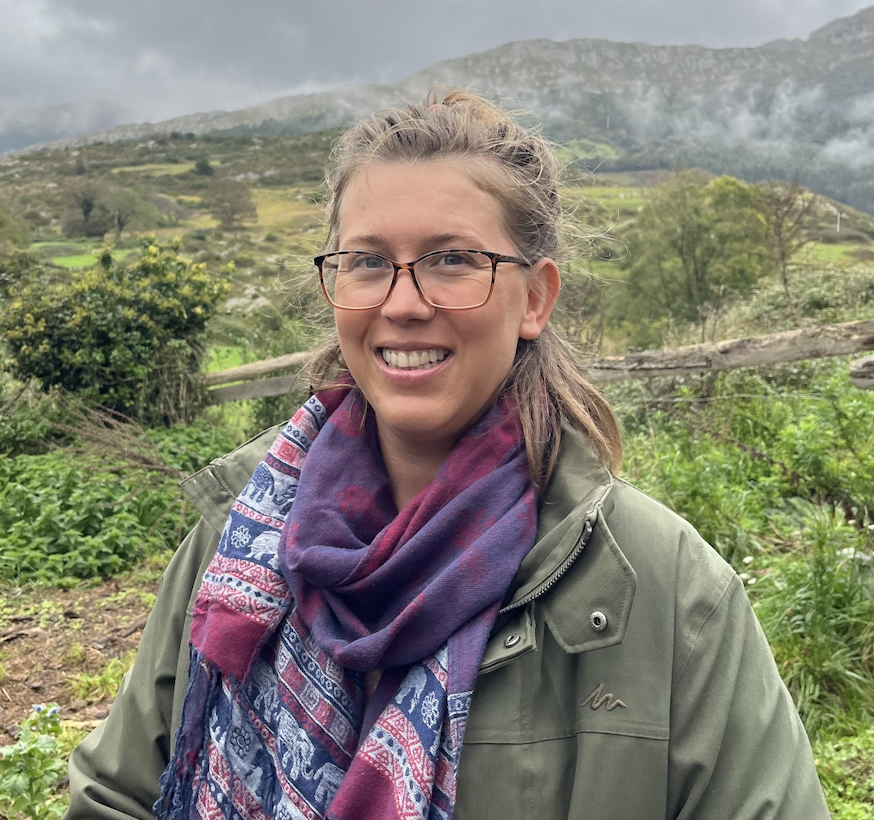
My boys, my terremotos (earthquakes!) as they call strong-willed children here in Spain, are big feeling and defiant. They question everything. And they make sure you know about it when they don't agree with what's being asked of them. They move through every developmental stage loudly and completely. Relentless in the way that only children who feel everything deeply can be.
The very same qualities that are going to make them remarkable adults.
When my cup is full, when my baseline feels steady and I've been looking after myself, my youngest can throw a bowl of food across the room and I can clear it up and feel genuinely aligned when I say: "I can tell you're upset. But this isn't how we behave when we're upset."
No explosion from me. Just steadiness. A body with enough space and calm that he can borrow it.
The same child. The same behaviour. A completely different reaction when I'm not feeling nourished.
That's what a regulated nervous system actually gives you.
Not calm.
Perspective, and the ability to respond the way you actually want to.
The situation hasn't changed. But your relationship to it has.
And as for them. I can now read what's normal and what's been made worse by the conditions. And I can adjust accordingly.
I have a rough measure I use for myself, and I share it with many of the parents I work with.
I aim for 70% loving it. 30% enduring it.
Because parenting is hard.
At times, I think if you're doing it well, if you're showing up, if you care deeply, of course it should be.
My husband and I always say its the hardest thing we've ever done and continue to do, and we've slept in a tent on the edge of the riverbank in the Pantanal with Jaguars passing by...
I think it's hardest still because we want so desperately to get it right.
When I notice I'm drifting towards 50/50, I don't panic.
I treat it as information.
My nervous system is telling me something. My conditions need attention.
So I return to the things I know restore me. And that's how I shift the balance back.
70/30 isn't a destination. It moves. Some weeks are 90/10. Some weeks are much harder. What matters is knowing the direction I'm trying to travel.
There was something else I learned when I started studying nervous system regulation.
Nervous system regulation isn't a finish line.
You don't arrive somewhere and never lose your patience again.
Nervous systems are constantly responding to conditions.
Stressful seasons happen. Illness happens. Sleep deprivation happens. Life throws things at your family that no amount of preparation could have prevented.
There will be moments when you react in exactly the way you promised yourself you wouldn't.
That's not the work failing.
That's being human.
The goal isn't to never have those moments. The goal is that they stop defining your days. That a hard morning doesn't become a hard week. That you know how to find your way back.
Notice sooner. Recover faster. Return more easily. That's it.
That's why the architecture matters.
Not the individual walk. Not the one good day. The rhythms you build. The ways you restore yourself. The conditions you keep returning to.
Because eventually those things stop being something you do and start becoming part of who you are.
The hard moments still happen. But they happen less often. They last less time. Recovery comes faster.
And over the years, those small shifts add up to something real.
Not perfection.
Resilience.
The first place I always see it is in myself.
A morning that used to derail the whole day doesn't anymore.
A moment that would have sent me straight into reaction now contains a small gap.
Just enough to think.
Just enough to choose.
That gap is everything.
It doesn't come from trying harder. It comes from getting curious. It comes from changing the conditions.
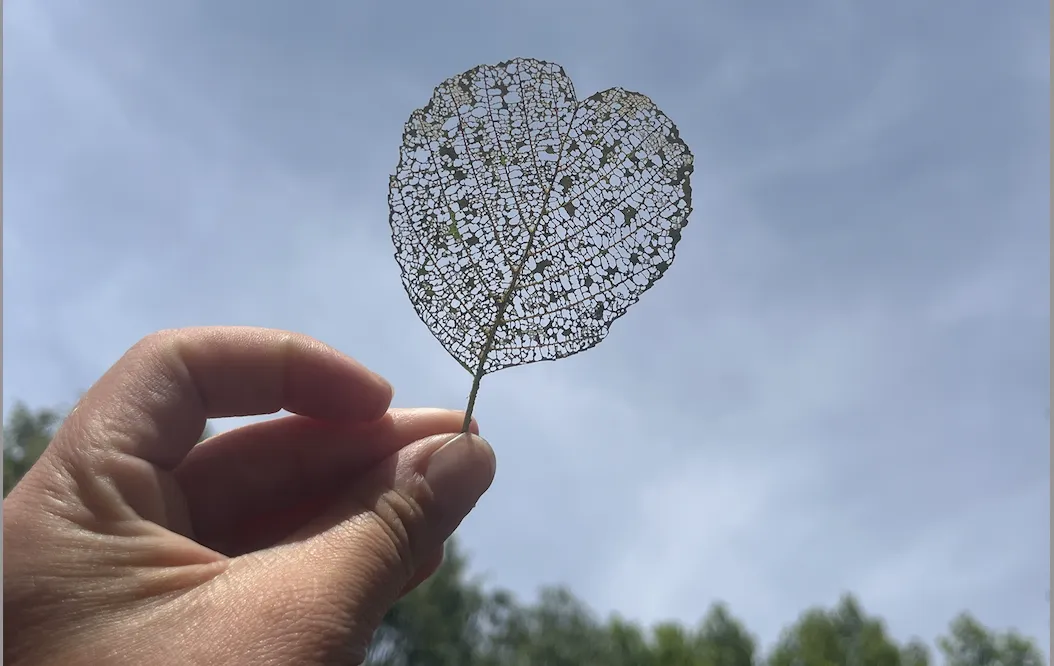
When you plant a seed, you don't dig it up every morning to check if it's growing.
You focus on what it needs. And you trust that what's happening beneath the surface is real, even when you can't see it yet.
This work is the same.
A little less tension in the morning. A slightly faster recovery after a hard moment. A bedtime that ends in connection instead of exhaustion.
Small things.
But they're the roots.
And roots are what make everything else possible.
This is the fourth piece of what The Wild Shift is built on.
Behaviour follows conditions.
The conditions start with you.
Nature is one of the most powerful conditions you can change.
And none of it happens overnight.
The long game isn't a consolation prize.
It's the whole point.
Because we're not trying to stop a behaviour.
We're building something that lasts.
If this resonated, the Three-Step Reset is a good place to start. It's a free guide that walks you through how you go about changing the conditions.
Read: Nature Is Not A Luxury. It's A Biological Need. | Pillar 3 of The Wild Shift